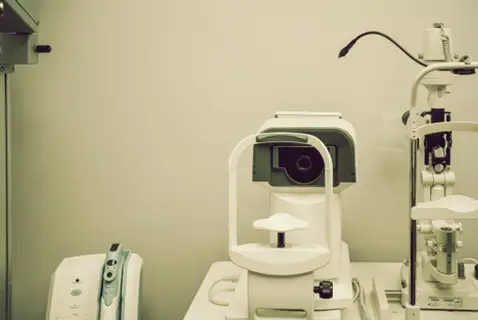
Optometrists rely on many diagnostic tools to help deliver accurate, efficient, high-quality care. Among these tools are fundus cameras, which are extremely important for capturing detailed retina images, and helping to diagnose conditions such as glaucoma, diabetic retinopathy and macular degeneration at an early stage. Whether you’re making some changes to your practice’s equipment or just starting, choosing the right fundus camera is an important step in ensuring your practice has everything it needs to deliver the best service to patients.
In our handy guide, we’ll take a closer look at the top-rated fundus cameras for optometrists, helping you choose the most appropriate technology for your needs. Learn how to find fundus cameras at affordable prices and ensure you have the right technology.
What is a fundus camera?
Fundus cameras are a type of camera that allows users to photograph the rear of the eye (the fundus). This essential piece of technology can photograph the rear of the eye in a non-invasive procedure, ensuring that key parts of the eye are analyzed in careful detail.
Fundus cameras feature a low-power microscope attached to a camera. They can photograph the retina, optic disc, macula, and posterior pole. The images the camera produces can diagnose many eye conditions early, ensuring timely intervention for patients to help treat sight conditions before they progress.
Why are fundus cameras essential?
Fundus cameras have many benefits, including:
Early detection of eye diseases
Fundus cameras have become a key diagnostic tool for optometrists, helping to detect eye diseases such as glaucoma before they present symptoms to the patient. Several studies have shown the effectiveness of fundus cameras for screening for eye diseases, showing how important they are for detecting and then treating some of the most common causes of sight loss.
Patient education
Fundus photography can give patients a visible record of what’s happening inside their eyes. This helps them understand a little more about what’s going on and see their progress over time. Eye conditions are complex, but photography is one way patients can learn more about their eye health.
Improved clinical processes
Using fundus cameras can help optometrists obtain detailed records that allow for more accurate treatment planning. This can improve clinical processes and help provide the best care for patients.
Detailed referrals
When patients are referred to ophthalmologists and other specialists, having clear and detailed images can help. This can reduce the need for further testing – speeding up treatment times and ensuring referrals are made with as accurate information as possible.
Our guide to the top-rated fundus cameras
Several types of fundus cameras are available, providing different features and price points to suit individual practice needs. Some of the best fundus cameras for sale based on their features and value for money include:
1. Zeiss VISUSCOUT 100 Handheld Fundus Camera
The Zeiss VISUSCOUT 100 Handheld Fundus Camera is a portable, non-mydriatic fundus camera highly recommended for its flexibility and ease of use. Its compact design allows it to be transported easily, which can be ideal for practices sharing equipment or requiring mobility.
This device benefits from wireless connectivity, allowing immediate image transfer while being user-friendly. It is a useful camera for any practice, and minimal training is required for effective operation.
Key features include:
- Portable, lightweight design
- Non-mydriatic imaging
- Wireless connectivity
- User-friendly operation
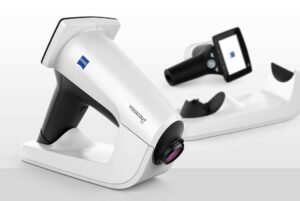
Priced at $4,500, this is an affordable camera suitable for different practice uses.
2. Topcon TRC-NW200 Fundus Camera
The Topcon TRC-NW200 Fundus Camera is a non-mydriatic camera with high-quality imaging and a user-friendly interface. It allows for multiple internal fixation targets, making it a versatile camera for retinal images. Auto exposure settings and smaller pupil capabilities allow the acquisition of images through pupils as small as 3.7mm, which is a handy benefit for dealing with elderly patients and those taking certain medications.
Ideal for practices looking for reliable performance and ease of use, it comes at a great price too – offering excellent value.
Key features include:
- Non-mydriatic imaging
- Auto exposure
- Smaller pupil capability
- Lower flash intensity
- Easy alignment and focusing.

Priced at $3,300, the Topcon TRC-NW200 Fundus Camera packs several features at an affordable price for practices.
3. Centervue Compass Non-mydriatic Fundus Camera
The Centervue Compass is a sophisticated camera that combines fundus imaging with perimetry – an excellent solution for comprehensive retinal assessment. It uses confocal LED scanning technology to provide high-quality images, setting a new standard for perimetry.
It can provide high-resolution True Color confocal images, auto-focus, and fully automated visual field testing, providing optometrists with multiple useful features. This camera is ideal for practices looking to enhance their diagnostic capabilities, using the latest technology to provide the best care for patients.
Key features include:
- Non-mydriatic
- Pupillary tracking
- Fixation control
- Suitable for both wired and WiFi network connectivity.
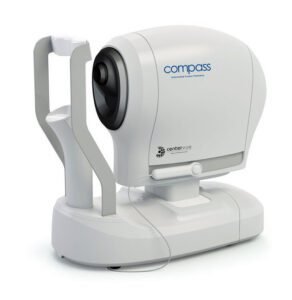
Priced at $7,000, this is a feature-packed fundus camera for sale that can make a significant difference to practices and patients.
4. I-Optics EasyScan SLO Fundus Camera
The I-Optics EasyScan SLO Fundus Camera uses the latest Scanning Laser Ophthalmoscope (SLO) technology to provide high-contrast retinal images, allowing for accurate and early detection of common eye conditions. Its portable size allows it to fit into any office space and easily transportable between locations.
Using a USB connection to your computer, this machine provides flexibility, in addition to features that can significantly impact diagnostics. Key features include:
- Easy to use, joystick navigation
- Advanced, high-contrast SLP technology
- Real-time live view of the retina.
- Portable design that makes it suitable for any desk or office space.
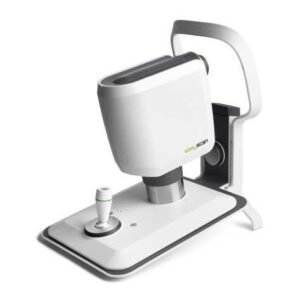
The I-Optics Easy Scan SLO, priced at $6,000, allows patients to experience high-quality care at an affordable price.
Features to look for in a quality fundus camera
As you can see, different fundus cameras have unique benefits and features, making it difficult to choose the right one for your practice. Whether you’re investing in a fundus camera for the first time, or you’re replacing an older model, you should consider the following features to help you decide on the right type of camera for you:
Image resolution
Clear, high-quality images are essential for accurate diagnosis. Devices that offer at least 12 megapixels can provide clinical-level imaging that aids diagnostics and provides more detailed images for patients.
Features
Fundus cameras can offer a range of features, helping optometrists carry out different types of tests. Depending on the services you offer, you might want to consider a model that offers comprehensive testing. This will ensure you keep up with the competition to provide the best services and benefit from the latest technology.
Ease of use
Diagnostic technology should be easy to use, especially for busy practices. Fundus cameras that require minimal training help your team get up and running quickly, providing a better patient experience.
Portability
The latest fundus cameras have been designed to be portable or handheld, making them easy to move from room to room as needed. If you run a mobile clinic or need to move devices between exam rooms, then a portable product is a must for your practice.
Software compatibility
A key factor to consider when buying your camera is whether it can ntegrate with your existing computer systems. Check against your software to ensure smooth operations and possibly even speed up your processes.
Cost
Cost is an important consideration for practices, but it’s important to remember that a fundus camera provides long-term value. Consider reliable models, that come with support services and are designed to last many years. Your fundus camera will be used daily, so a camera that can go the distance will be worth the investment.
Choosing the best fundus camera for your needs
Choosing the best fundus camera for your practice depends on your needs. While it may be tempting to run straight to the cheapest model, you should consider each camera’s features carefully, to ensure your camera does exactly what you need it to do. Exploring different models in detail and asking for a demonstration can help you determine which model is best for you. If you’ve always stuck to the same brand for your fundus camera, consider exploring other models to see if you can benefit from different features or improvements.
Why choose Dauh Eye Care?
At Dauh Eye Care, we specialize in providing the best fundus cameras for sale to help practices deliver better eye care for their patients. We only sell the latest and best models to ensure the highest quality retinal imaging and user-friendly products that can get you up and running quickly. We offer competitive pricing and excellent aftercare services, helping you feel confident in your buying decision.
Explore our full selection of fundus cameras for optometrists, or contact us for further information and support.
