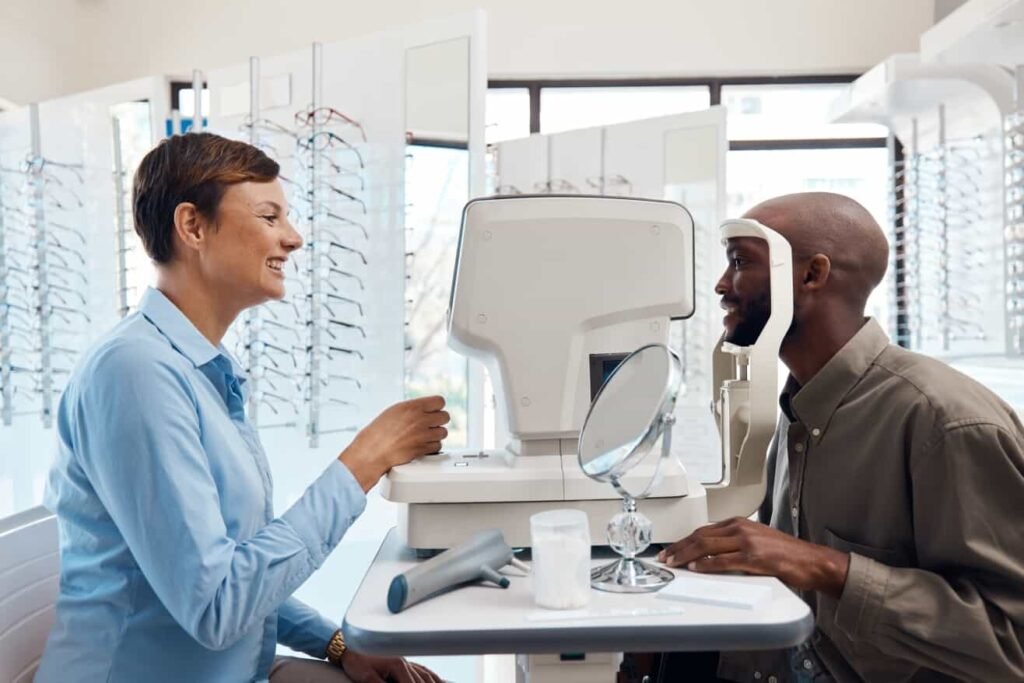
Best Autorefractor Machines serve as the first diagnostic checkpoint in modern eye exams. Within seconds, these machines measure refractive errors, generate baseline prescription data, and help clinicians identify conditions such as myopia, hyperopia, and astigmatism. For eye care clinics, autorefractors have become essential tools for improving diagnostic accuracy and streamlining exam workflows.
However, with many models available from leading manufacturers, choosing the right autorefractor machine for your clinic can be challenging. This guide reviews some of the best autorefractor machines in 2026, helping you compare key features, understand their clinical benefits, and select the right device for your practice.
What Is an Autorefractor?
An autorefractor is a diagnostic device used in eye exams to automatically measure a patient’s refractive error. It is commonly used during the pre-testing stage of an eye examination, where technicians collect objective measurements before the clinician performs subjective refraction to refine the final prescription.
The device works by projecting light into the eye and analyzing how that light reflects from the retina to estimate the eye’s focusing power and baseline prescription. This helps clinicians detect common refractive conditions such as myopia (nearsightedness), hyperopia (farsightedness), and astigmatism, and provides a starting point for determining an accurate prescription for glasses or contact lenses.
Many modern systems also function as autorefractor-keratometers, allowing eye care professionals to measure corneal curvature in addition to refractive error, an important factor in contact lens fitting and overall vision assessment.
Why Eye Clinics Use Autorefractors
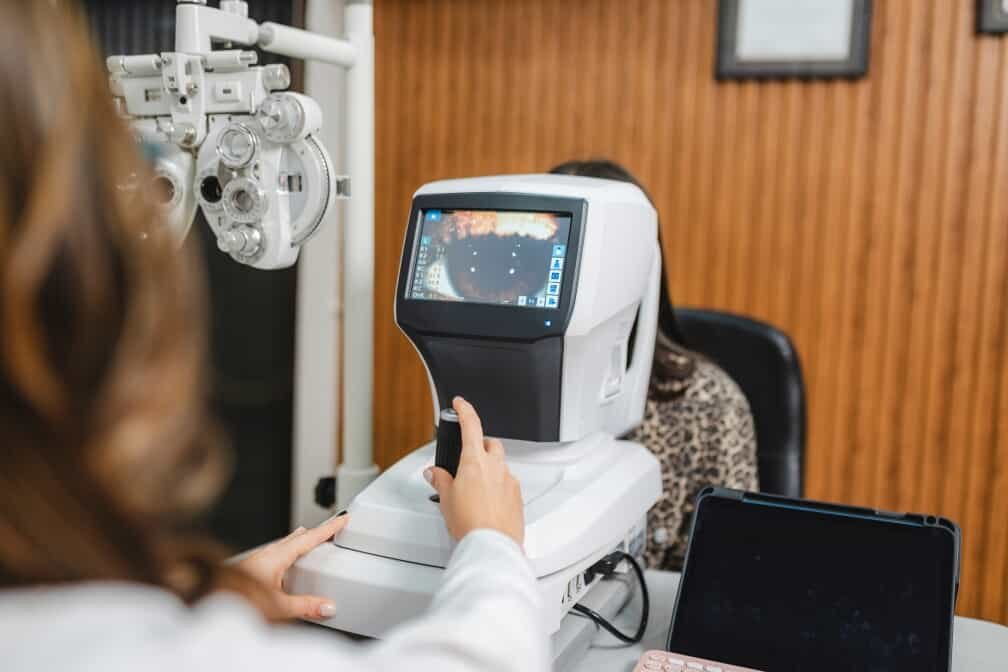
Autorefractors play an important role in modern eye exams by providing fast, objective measurements of refractive errors. Below are some of the key reasons eye care clinics rely on these devices:
Faster Refraction Exams
Autorefractors significantly reduce the time required to obtain initial refraction measurements. In busy eye care clinics, technicians can capture readings within seconds, helping practices move patients efficiently through the pre-testing stage of an eye exam.
Accurate Measurements
Modern autorefractors use advanced optical sensors and digital processing to analyze how light reflects from the retina. This allows the device to generate precise estimates of refractive errors such as myopia, hyperopia, and astigmatism.
Improved Workflow
Since autorefractors automate the early stage of refraction testing, technicians can quickly collect baseline measurements before the patient sees the clinician. This improves clinic workflow and allows eye care professionals to focus more on diagnosis and patient care.
Patient Comfort
Autorefractor testing is quick, non-invasive, and requires minimal effort from the patient. Most measurements take only a few seconds, helping create a smoother and more comfortable exam experience.
Key Features to Look for in the Best Autorefractor Machines
When selecting an autorefractor for your clinic, it’s important to evaluate features that affect accuracy, efficiency, and long-term usability. Understanding these capabilities can help you choose equipment that fits your clinic’s workflow and diagnostic needs.
Measurement Accuracy
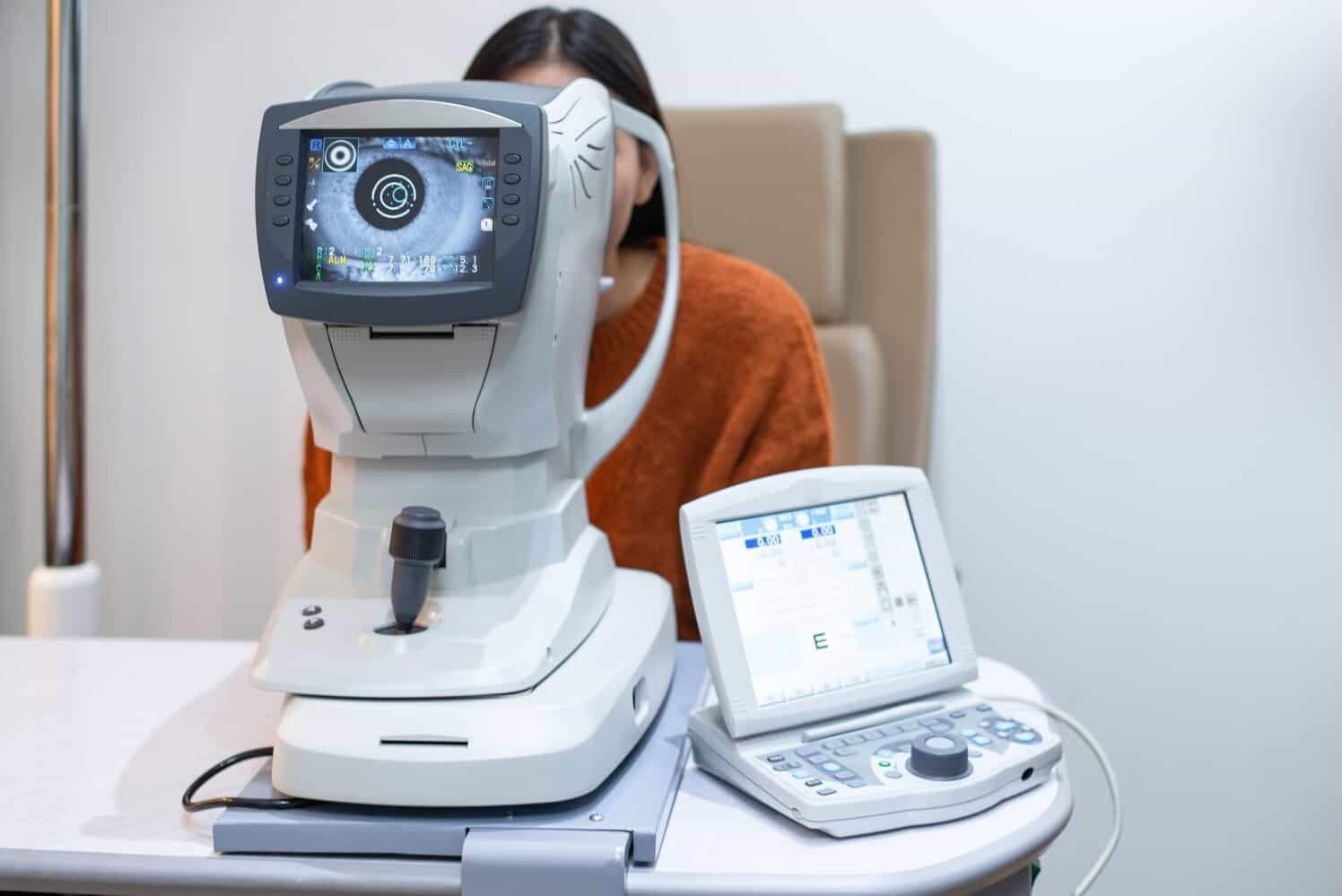
Accuracy is one of the most important factors when choosing an autorefractor for an optical store. If the measurements are inconsistent or unreliable, clinicians may need to repeat tests or rely more heavily on manual refraction. One way to assess accuracy is to review the device’s repeatability, measurement range, and the optical technology used for refraction analysis.
Auto-Tracking Technology
Auto-tracking and automatic alignment help the device quickly locate the patient’s pupil and capture measurements without constant manual adjustment. Systems equipped with this feature are generally easier for technicians to operate and help ensure stable, consistent readings during eye exams.
Keratometry Function
Some devices combine autorefractor and keratometer capabilities in a single system. Keratometry measures the curvature of the cornea, which is important for diagnosing astigmatism and fitting contact lenses accurately.
Pupil Measurement
Advanced autorefractors can measure pupil size and other ocular parameters, providing additional diagnostic data for clinicians. These measurements can support refraction analysis under different lighting conditions and help guide treatment decisions.
Data Integration with EMR
Connectivity features such as EMR or EHR integration allow measurement data to be automatically transferred into patient records. This improves documentation accuracy and helps clinics maintain a streamlined digital workflow.
10 Best Autorefractors for Optometry Practice in 2026
Choosing the right autorefractor can significantly improve the efficiency and diagnostic accuracy of your clinic’s eye exams. Below are some of the best autorefractors of 2026.
1. Topcon KR-8900 ($3,000.00)
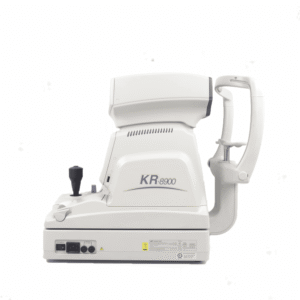
The Topcon autorefractor KR-8900 is known for its durability and measurement accuracy. The device uses Topcon’s proprietary Rotary Prism Technology, which allows it to measure a wider area of the retina and deliver consistent readings even with smaller pupils. Its compact design and automated functions make it easy for technicians to operate during the pre-testing stage of eye exams.
Key Features
- Rotary Prism Technology for precise and reliable measurements
- Measures refractive errors with a sphere range of −25D to +22D
- Keratometry capability for corneal curvature analysis
- Works with pupils as small as 2.0 mm
- Automatic measurement and printout functions
- Integration with IMAGEnet i-base software for patient data management
Best For
High-volume optometry clinics and ophthalmology practices that need accurate, repeatable refraction and keratometry measurements as part of their routine eye exam workflow.
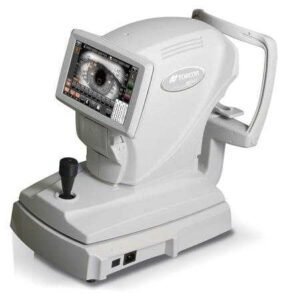
2. Topcon KR-800 ($5,000.00)
The Topcon KR-800 also incorporates Topcon’s proprietary Rotary Prism Technology. Like the KR-8900, the system is designed to deliver reliable refraction and keratometry readings during the pre-testing stage of eye exams.
However, the KR-800 features a more modern 8.5-inch touchscreen interface, allowing technicians to control the measurement process easily and capture results quickly. In many clinical environments, technicians report that the system is quick to learn and easy to operate.
Key Features
- Rotary Prism Technology for accurate refraction measurements
- Large 8.5-inch color touchscreen display for easy operation
- Measures refractive power from −25D to +22D
- Keratometry function for corneal curvature measurement
- LAN and data connectivity for clinic systems
- Compact design with smooth joystick positioning
Best For
Small to mid-size optometry clinics, teaching labs, and practices that need a user-friendly autorefractor capable of delivering fast and repeatable readings.
3. Nidek ARK-1A
The Nidek autorefractor (ARK-1A) is an advanced autorefractor-keratometer that delivers detailed refraction and corneal measurements. It is built with NIDEK’s large-pupil-zone imaging method, a system that measures a wider area of the eye to provide deeper diagnostic insight and help clinicians evaluate how pupil size may affect visual performance under different lighting conditions.
The device also incorporates a super luminescent diode (SLD) light source and a highly sensitive CCD sensor, which work together to produce sharper ring images and improve measurement reliability.
Key Features
- Refraction measurement range −30.00D to +25.00D
- Cylinder range 0 to ±12.00D
- Large pupil zone imaging up to 6 mm diameter
- Super luminescent diode (SLD) and high-sensitivity CCD imaging
- 3D auto-tracking and automatic measurement capture
- Retroillumination imaging for cataract and opacity assessment
- Built-in visual acuity and glare testing (model dependent)
Best For
Optometry clinics and ophthalmology practices seek advanced diagnostic insights beyond basic refraction, especially when evaluating cataracts, accommodation issues, or visual performance under different lighting conditions.
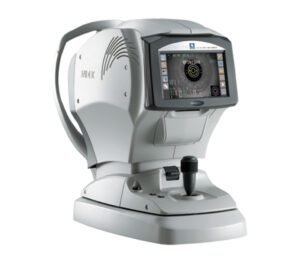
4. Nidek TONOREF III ($8,300.00)
The Nidek TONOREF III combines several essential eye examination tools into a single device. Unlike standard autorefractors, the TONOREF III integrates autorefractor, keratometer, non-contact tonometer, and pachymeter functions, allowing clinics to perform multiple pre-test measurements at a single workstation.
The system uses NIDEK’s large-pupil-zone imaging method together with a superluminescent diode (SLD) light source and a highly sensitive CCD camera, enabling reliable measurements even when reflections are weak, such as in cataractous eyes.
Key Features
- Combines autorefractor, keratometer, tonometer, and pachymeter in one device
- Large pupil zone imaging for more detailed refraction analysis
- Super luminescent diode (SLD) and high-sensitivity CCD camera
- Non-contact tonometry with Automatic Puff Control for patient comfort
- Corneal thickness measurement with automated IOP correction
- 3D auto-tracking and auto-shot for faster measurements
- Tiltable 7-inch touchscreen display and wireless data transfer
Best For
Optometry clinics and ophthalmology practices that want a space-saving diagnostic station capable of performing multiple eye measurements in a single device.
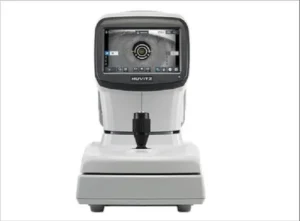
5. Huvitz HRK-1 ($2,499.00)
The Huvitz autorefractor HRK-1 uses the Ring Signal method to improve measurement precision, helping clinicians obtain accurate refraction data even in patients with high diopters.
One of its notable features is the y-axis auto-tracking system, which automatically determines the patient’s eye height during alignment. This reduces positioning time and allows technicians to capture measurements more efficiently during the pre-testing stage of eye exams.
Key Features
- Ring Signal method for improved measurement accuracy
- Y-axis auto-tracking to reduce alignment time
- Color view mode with a full-color CCD camera for eye observation
- Iris and pupil diameter measurement
- Contact lens fitting assistance guide
- 7-inch touchscreen display and thermal printer
- EHR-ready connectivity and networking with other Huvitz devices
Best For
Optometry clinics and optical stores are seeking a cost-effective autorefractor-keratometer with robust diagnostic capabilities and support for contact lens fitting.
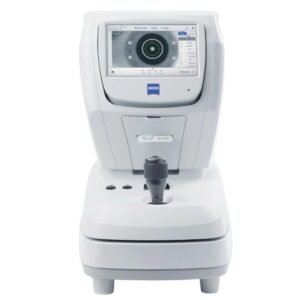
6. ZEISS VISUREF 150 ($3,999.00)
The ZEISS VISUREF autorefractor (150) measures key refractive parameters, including sphere, cylinder, and axis, and performs keratometry to analyze corneal curvature. It measures pupil diameter, corneal diameter, and contact lens base curves, giving clinicians additional diagnostic information during eye exams.
It also includes automatic fogging with an infinity scene, which helps reduce accommodation effects during measurements.
Key Features
- Objective refraction measurement (sphere, cylinder, axis)
- Keratometry for corneal curvature analysis
- Pupil and corneal diameter measurement
- Contact lens base curve measurement mode
- Automatic fogging to reduce accommodation during measurement
- Touchscreen interface with joystick control and motorized chin rest
- EMR and digital workflow connectivity options
Best For
Optometry clinics and ophthalmology practices seeking a reliable ZEISS autorefractor-keratometer with robust workflow integration and user-friendly operation.
7. Visionix VX-90
The Visionix autorefractor (VX-90) brings additional diagnostic insight to automated refraction by measuring both central and peripheral keratometry, allowing clinicians to analyze corneal curvature across a wider area of the eye. The system can also illuminate lens opacities through backlighting, helping reveal early cataract changes during routine pre-testing.
Key Features
- Objective refraction measurement (sphere, cylinder, axis, PD)
- Central and peripheral keratometry analysis
- Moving fixation target with the auto-fogging system
- Lens opacity detection using backlighting
- Tiltable LCD touchscreen display
- Motorized chinrest and alignment indicators
- Wi-Fi connectivity and EMR integration
Best For
Eye clinics that want an autorefractor with enhanced corneal analysis and additional diagnostic insight during routine refraction testing.
8. Reichert OptoChek Plus ($4,900.00)
The Reichert OptoChek Plus stands out for its Auto-Quick Measurement Mode, which significantly reduces the time required to capture refraction readings during the pre-test stage of eye exams. This makes it a practical choice of digital autorefractor for clinics that need fast measurements while managing a steady flow of patients.
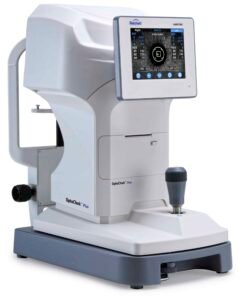
Key Features
- Objective refraction measurement (sphere, cylinder, axis)
- Keratometry for corneal curvature analysis
- Auto-Quick Measurement Mode for faster exams
- Reliability Index for measurement confidence
- Photopic and scotopic pupil measurement modes
- 5.7-inch touchscreen display with adjustable viewing angles
- EMR and digital phoropter connectivity options
Best For
Optometry clinics and optical stores want a fast, easy-to-operate autorefractor keratometer for efficient pre-test measurements.
9. Righton Retinomax K-Plus 5 ($9,000.00)
Righton Retinomax autorefractor (K-Plus 5) is a handheld autorefractor keratometer designed for flexible eye examinations. Its portable form allows clinicians to perform refraction and keratometry measurements in environments where standard diagnostic stations are impractical, such as pediatric clinics, bedside exams, or community screenings.
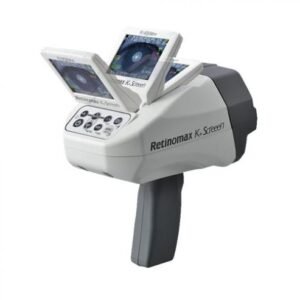
Key Features
- Handheld autorefractor keratometer design
- Refraction measurement range –20D to +23D
- Keratometry and pupil measurement capability
- Focus Assist color-coded focusing system
- Child Mode with animated fixation targets
- Automatic axis compensation during measurement
- Up to 180 minutes of battery life
Best For
Pediatric eye exams, mobile eye clinics, bedside measurements, and vision screening programs that require portable autorefractor technology.
10. Tomey RC-5000 ($4,700.00)
The Tomey autorefractor (RC-5000) is an automated autorefractor-keratometer designed to simplify the refraction process with touchscreen-guided measurements. With a single touch on the display, the device can automatically align with the patient’s eye and perform both refraction and keratometry measurements during the pre-test stage of an exam.
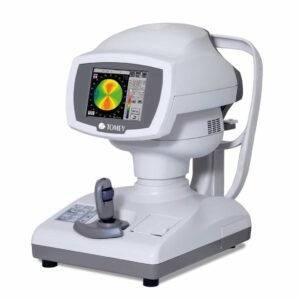
Key Features
- Automated alignment and measurement via touchscreen
- Objective refraction and keratometry measurements
- Quick measurement time (≈0.2 seconds)
- Multiple refraction modes, including Quick Mode and IOL/CAT Mode
- Corneal diameter and pupil measurement
- Power joystick and motorized chinrest for positioning
- Built-in thermal printer for results
Best For
Optometry clinics seeking a fully automated autorefractor-keratometer designed for fast, touchscreen-guided measurements.
Best Autorefractor for Optometry Clinic: Comparison Table
The table below highlights key differences among the top autorefractors used in modern eye care practices.
Model | Type | Keratometry | Key Advantage | Best For |
Topcon KR-8900 | Autorefractor Keratometer | Yes | Rotary prism technology for precise measurements | High-volume clinics |
Topcon KR-800 | Autorefractor Keratometer | Yes | User-friendly touchscreen workflow | Small to mid-size clinics |
Nidek ARK-1A | Autorefractor Keratometer | Yes | Large pupil zone imaging for deeper diagnostics | General eye clinics |
Nidek TONOREF III | Multi-function diagnostic station | Yes | Combines refraction, keratometry, tonometry, pachymetry | Clinics needing multi-test devices |
Huvitz HRK-1 | Autorefractor Keratometer | Yes | Cost-effective with contact lens fitting support | Budget-conscious clinics |
ZEISS VISUREF 150 | Autorefractor Keratometer | Yes | Reliable ZEISS optics with workflow integration | Premium practices |
Visionix VX-90 | Advanced autorefractor keratometer | Yes | Peripheral keratometry and opacity detection | Clinics needing deeper corneal analysis |
Reichert OptoChek Plus | Autorefractor Keratometer | Yes | Auto-Quick measurement for faster exams | Optical stores and busy clinics |
Righton Retinomax K-Plus 5 | Handheld autorefractor keratometer | Yes | Portable handheld design | Pediatric and mobile exams |
Tomey RC-5000 | Autorefractor Keratometer | Yes | Automated touchscreen measurement workflow | Clinics prioritizing efficiency |
Automatic Refractor Eye Machine Buying Guide
Choosing the right optometry autorefractor for your clinic involves more than simply comparing features. Eye care professionals should evaluate how well the device fits their diagnostic needs, patient volume, and long-term workflow requirements.
Below are some of the most important factors to consider when selecting an autorefractor machine for an eye clinic.
Measurement Accuracy
Accuracy should be one of the first things clinics evaluate when selecting an autorefractor. Look for devices that use advanced measurement technologies such as rotary prism systems, wavefront analysis, or large pupil zone imaging, which can capture more reliable refraction data across different pupil sizes.
Device Durability
Professional autorefractors for ophthalmology are used repeatedly throughout the day, so durability should be considered when evaluating different models. You should look for devices with stable mechanical components, reliable alignment systems, and solid build quality, especially if the equipment will be used in high-volume environments. Features such as automatic alignment, motorized chinrests, and robust joystick controls can also reduce wear caused by constant manual adjustments.
Manufacturer Reputation
Choosing optometry equipment from trusted manufacturers such as Topcon, Nidek, ZEISS, Huvitz, Visionix, Reichert, Righton, and Tomey helps ensure consistent performance and dependable technical support. These companies have years of experience developing ophthalmic autorefractors and diagnostic equipment used in clinics worldwide.
Service and Technical Support
Diagnostic equipment occasionally requires maintenance, calibration, or replacement parts, so reliable service support is essential. Before purchasing an autorefractor, clinics should confirm that the optometry equipment supplier provides technical support, warranty coverage, and access to certified repair services. Availability of replacement parts, software updates, and remote troubleshooting can significantly reduce downtime if issues arise.
Price vs Performance
Autorefractor machines vary widely in price depending on their capabilities. While entry-level devices may provide basic refraction measurements, advanced systems offer additional diagnostic tools such as keratometry, tonometry, or wavefront analysis. You should balance cost with the features needed for their daily workflow.
Autorefractor vs Manual Refraction
Autorefractors and manual refraction both play important roles in modern eye examinations. While autorefractors provide quick, objective measurements of a patient’s refractive error, manual refraction allows clinicians to refine those results and determine the final prescription based on the patient’s visual response.
In most eye care clinics, autorefractors are used during the pre-testing stage to collect baseline data, after which the clinician performs manual refraction to confirm and adjust the prescription if necessary.
Feature | Autorefractor | Manual Refraction |
Speed | Fast automated measurement | Slower, step-by-step testing |
Measurement Type | Objective baseline data | Subjective refinement |
Workflow | Used during pre-testing | Performed by clinician |
Accuracy | Highly consistent digital measurements | Depends on clinician technique |
Patient Interaction | Minimal patient input required | Requires patient feedback |
Frequently Asked Questions
What is the most accurate autorefractor?
High-end autorefractor keratometers from manufacturers such as ZEISS, Topcon, and Nidek are widely recognized for their measurement accuracy. Models like the ZEISS VISUREF 150 and Topcon KR-8900 use advanced optical systems and automated alignment technologies to produce reliable refraction readings during eye exams. However, the final prescription is always confirmed through subjective refraction performed by the clinician.
How much does an autorefractor cost?
The price of an autorefractor can vary depending on its features and capabilities. Basic models typically start around $5,000, while more advanced systems with additional diagnostic functions such as keratometry, tonometry, or wavefront analysis can cost $20,000–$25,000 or more. In case you’re looking for an autorefractor keratometer for sale, factors such as brand reputation, automation features, and connectivity options also influence pricing.
Can autorefractors replace optometrists?
No. Autorefractors are designed to assist eye care professionals, not replace them. These devices provide objective measurements of refractive errors, but clinicians still perform manual refraction and clinical evaluation to determine the final prescription and diagnose eye conditions.
Where to Buy an Autorefractor Eye Exam Device
Purchasing an autorefractor is a significant investment for any eye care clinic, so choosing a reliable supplier is just as important as selecting the right device. Clinics typically look for suppliers that offer trusted brands, competitive pricing, technical support, and worldwide shipping.
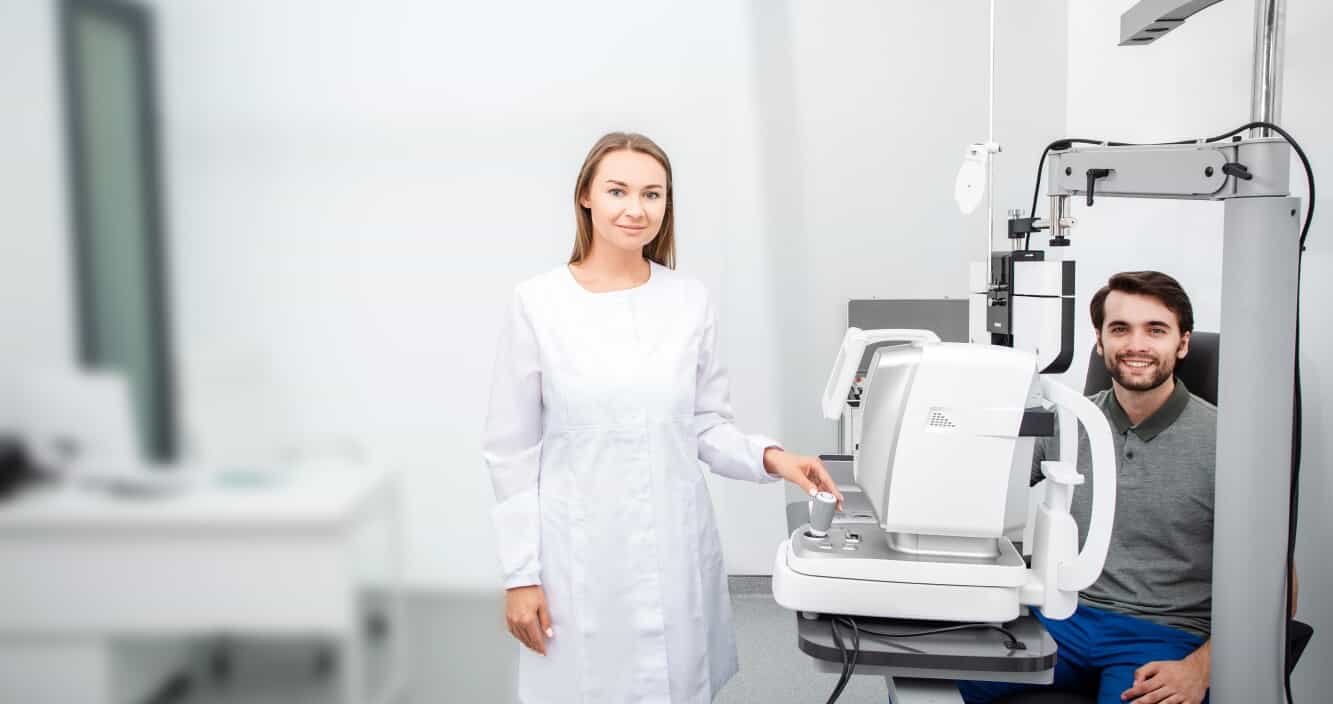
One option is DAUH EYE CARE, a global supplier of optometry and ophthalmic diagnostic equipment. The company provides a wide range of devices for modern eye care practices, including autorefractor-keratometers, digital retinal cameras, slit lamps, tonometers, and other diagnostic tools.
Working with an established autorefractor equipment supplier can help clinics ensure they receive authentic devices from reputable manufacturers and receive the guidance needed to select equipment that fits their workflow and diagnostic needs. Suppliers like DAUH EYE CARE also help clinics access advanced vision technology from global brands, making it easier for practices to upgrade or expand their diagnostic capabilities.
If your clinic is planning to invest in a new autorefractor machine, it can be helpful to speak with an equipment specialist who understands the differences between models and can recommend options based on your patient volume, diagnostic services, and budget.
Interested in upgrading your clinic’s optometry diagnostic equipment or looking for where to buy an autorefractor machine?
Contact DAUH EYE CARE today to request a quote or explore available autorefractor machines and other optometry diagnostic devices for your practice.
