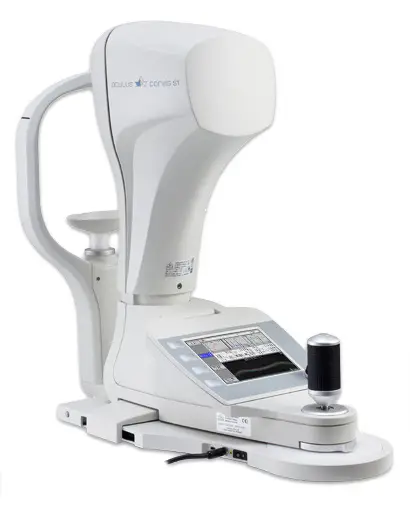
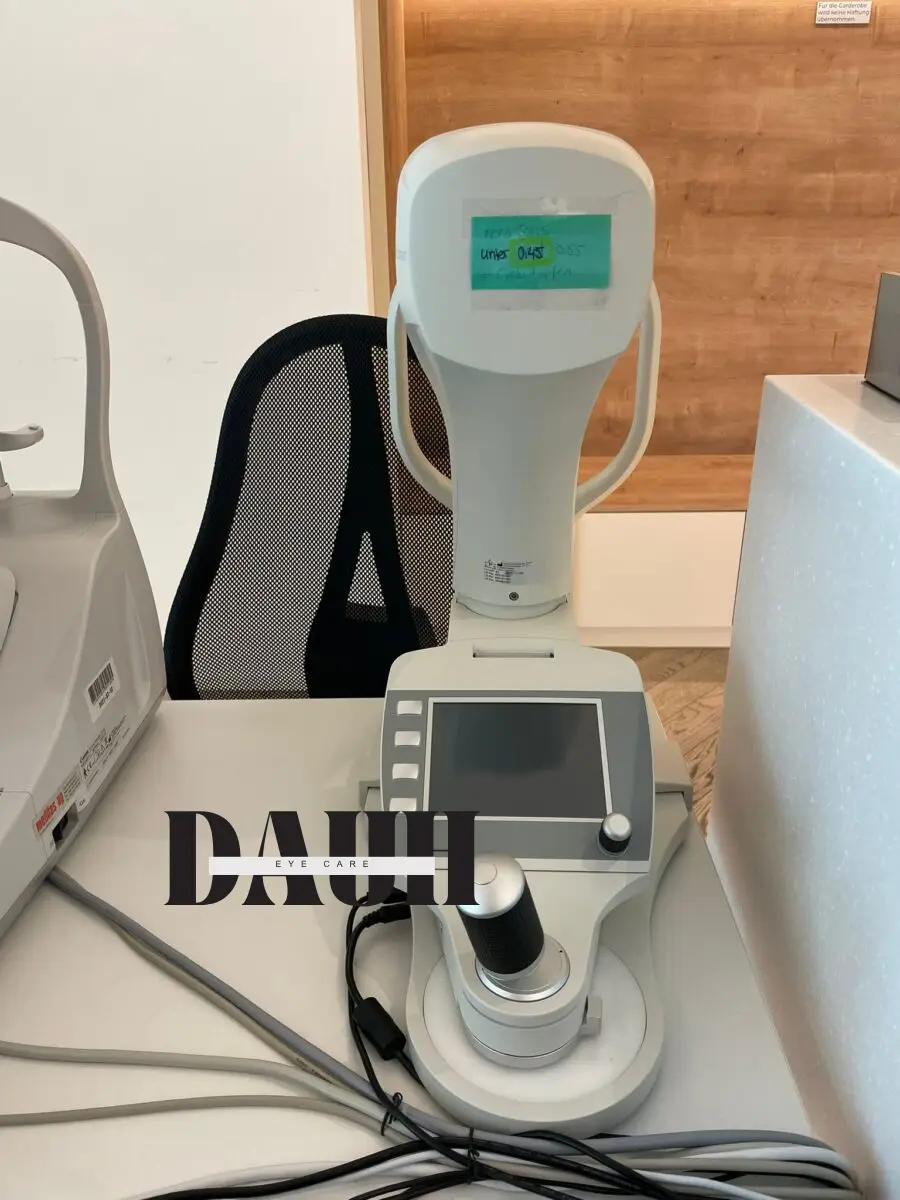
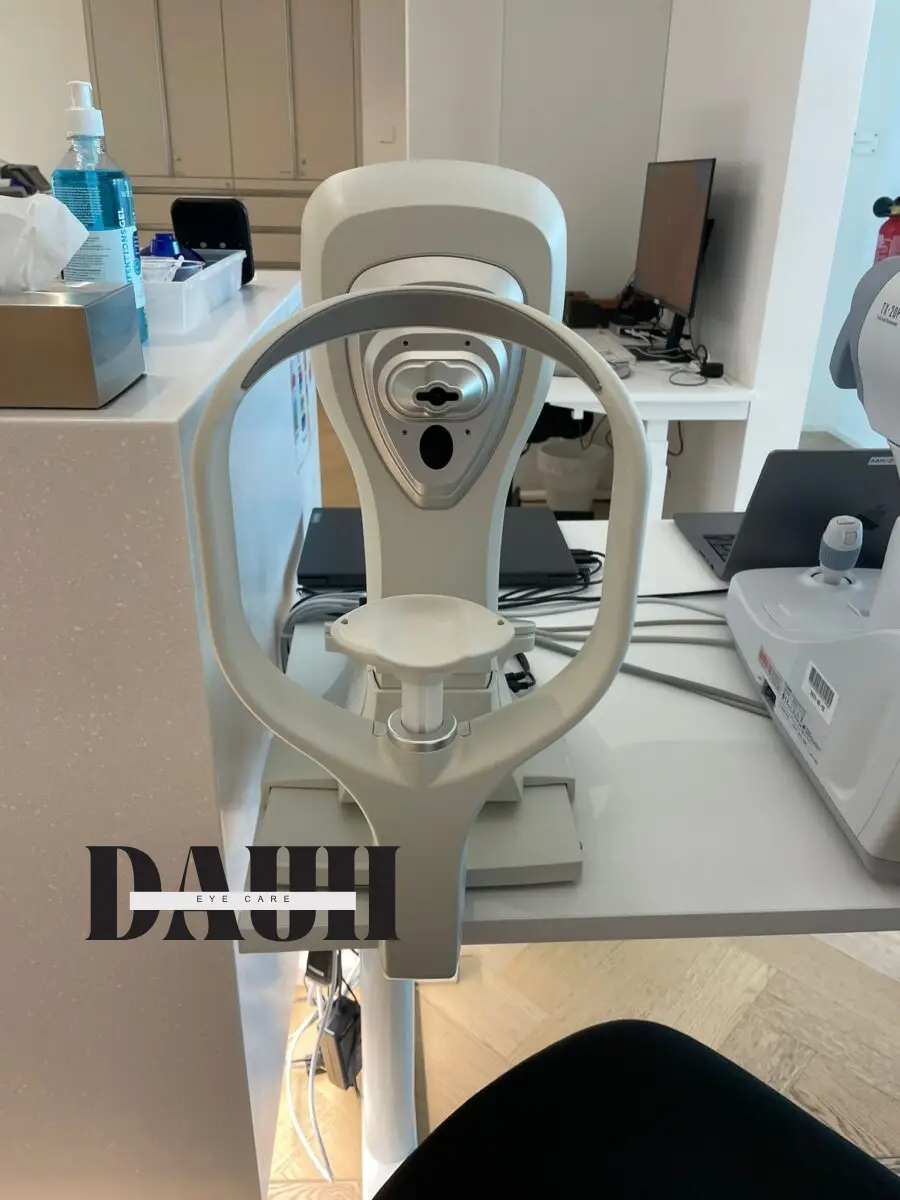
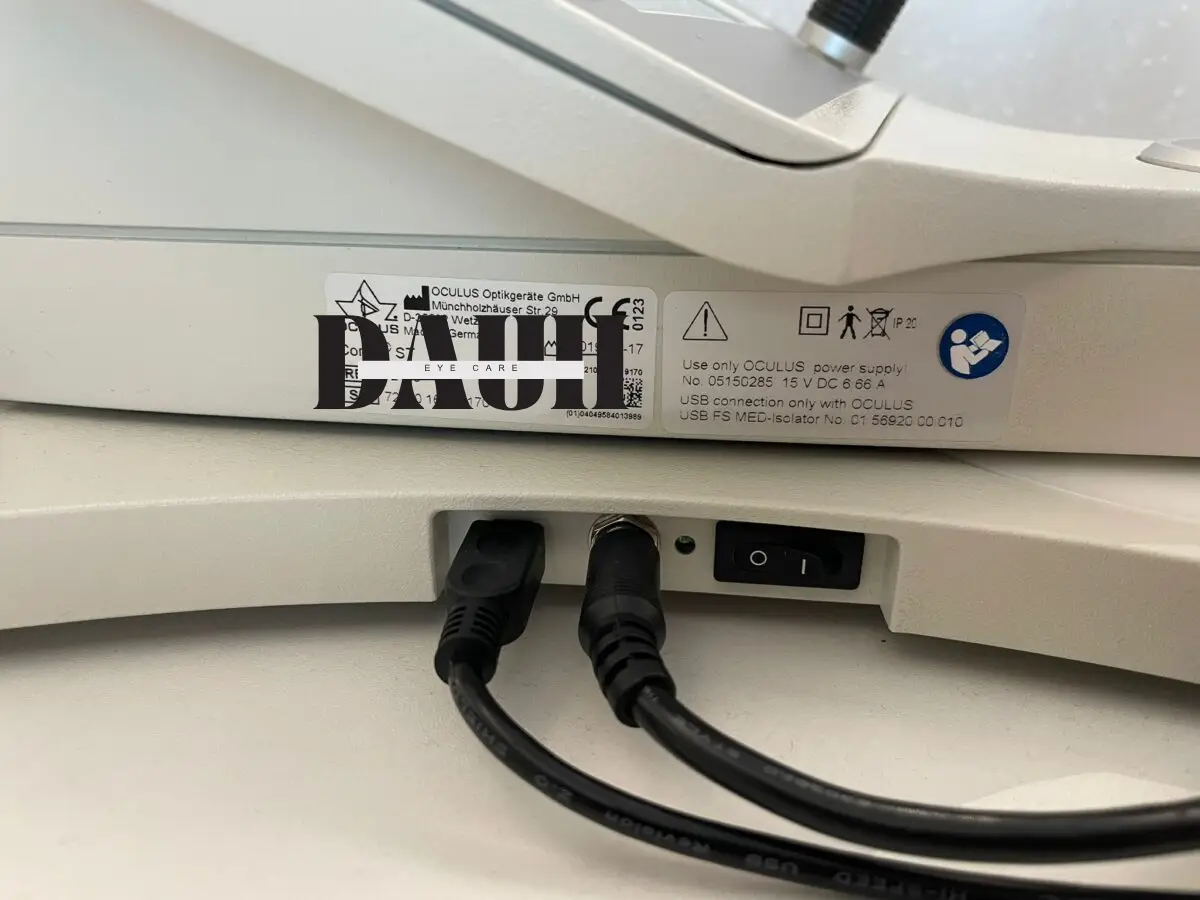
OCULUS Corvis ST Tonometer
$1,900.00
In stock
The OCULUS Corvis ST Tonometer utilises a newly developed high-speed Scheimpflug camera to record the cornea’s dynamic response to a defined air pulse with exceptional precision.
Product Description
The OCULUS Corvis ST Tonometer utilises a newly developed high-speed Scheimpflug camera to record the cornea’s dynamic response to a defined air pulse with exceptional precision.
Capturing over 4,300 images per second, the system enables accurate measurement of IOP and corneal thickness, based on a 31 ms video sequence of 140 images taken immediately after the air pulse.
This detailed analysis of corneal biomechanical properties allows for the calculation of a biomechanically corrected IOP (bIOP) and supports the early detection of ectatic diseases such as keratoconus.
Additionally, insights into corneal biomechanics play a vital role in understanding the development and progression of glaucoma, making the Corvis® ST an invaluable tool in advanced ocular diagnostics.
The revolutionary Corvis® ST records the reaction of the cornea to a defined air pulse using a newly developed high-speed Scheimpflug camera. This camera captures over 4 300 images per second, permitting highly precise measurement of IOP and corneal thickness. Based on a video of 140 images, taken within 31 ms after onset of the air pulse, the Corvis® ST provides a detailed assessment of corneal biomechanical properties.
The information obtained on the biomechanical response of the cornea is used to calculate a biomechanically corrected IOP (bIOP). Furthermore it allows ectatic diseases such as keratoconus to be detected at a very early stage. Biomechanical properties also play an important role in the development and progression of glaucoma
OCULUS Corvis ST features
- Biomechanically Corrected IOP (bIOP): Provides IOP readings that are less dependent on corneal thickness and biomechanical properties, ensuring greater accuracy and consistency.
- Vinciguerra Screening Report & Corvis Biomechanical Index (CBI): Enables early detection of keratoconus by combining biomechanical data with pachymetric progression analysis, presented in easy-to-interpret charts.
- Tomographic Biomechanical Index (TBI): Integrates Pentacam® tomographic data with Corvis® ST biomechanical data using AI to enhance ectasia risk detection and improve patient safety.
- BEST Display (Homburg Biomechanical E-STaging): Visualises and quantifies biomechanical changes over time, allowing for early detection of keratoconus progression and monitoring of post-corneal crosslinking outcomes.
- Glaucoma Screening with Biomechanical Glaucoma Factor (BGF): Offers an early risk indicator for normal tension glaucoma (NTG), enabling more confident clinical decision-making.
The Power of Combined Diagnostics for Refractive Surgery
When used together, the OCULUS Corvis ST and Pentacam® provide an unparalleled level of diagnostic confidence through the Tomographic Biomechanical Index (TBI). This unique index combines the detailed tomographic data from the Pentacam® with the biomechanical measurements of the Corvis® ST, delivering a comprehensive assessment of corneal stability. The result is a significantly more reliable ectasia risk assessment, enabling clinicians to make well-informed decisions about the most suitable treatment for each patient. Supported by AI-driven analysis, the TBI streamlines workflows, improves patient selection, and ultimately increases surgical throughput. With this powerful diagnostic combination, practitioners can confidently determine the best refractive surgery approach for every patient.
OCULUS Corvis ST Specifications
270 (W) x 520 (D) x 495 (H) mm
14kg